The Challenge: Manual Reporting at Scale
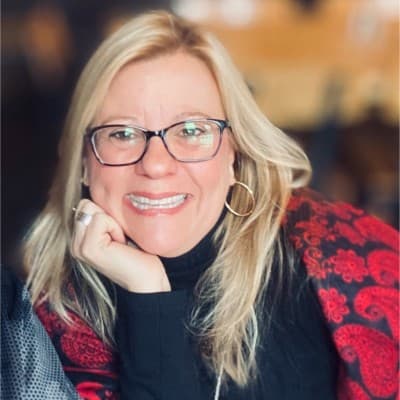
Karen Fitzgerald has spent her career in service to others. As Chief Strategy Officer at Excentia Human Services, she is rooted in its 60-year mission to walk alongside children and adults with developmental disabilities, autism, and behavioral health needs from early childhood through a lifespan of services.
Across 8 departments spanning early childhood programs, community and day services, behavioral health care, and residential services, Excentia’s work is deeply personal: honoring the unique essence of every person they serve and empowering them to thrive at home, at school, at work, and in the community.
Karen managed the organization’s strategic plan through a complex Excel spreadsheet. It had served them for years, but as Excentia grew and the board evolved into a more strategic, fiduciary-focused body, the limits of that approach became harder to ignore.
Preparing the board package took a minimum of three days: chasing department chiefs for updates, verifying dates, fact-checking, and assembling a final 50+ page document.
Karen is also the Executive Director of The Aspire Foundation for Excentia Human Services. Her time is pulled between these two positions, so developing a document that could quickly provide the key elements important to the Board was what she needed.
For an organization now navigating its first five-year growth plan, with ambitions to expand across Pennsylvania, open new residential homes, and grow its direct care workforce, that was time Karen couldn’t afford to lose.
When Karen finally walked into those board meetings, the room reflected the limitations of the process. Board members worked through dense, static pages of departmental reports — information that was already aging by the time it was printed.
The progress was real. What was missing was a way to show it accurately and confidently, without costing Karen and her team multiple days every quarter.