Align

From Planning to Progress: Horizon Systems’ Move to Align

How Horizon Systems stopped shelving its strategy and started running it every week.

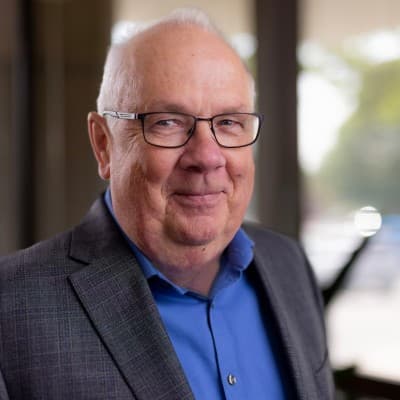
Wes Kuhl, President of Horizon Systems

For years, Horizon Systems did what most leadership teams do. They built a solid business plan. They worked through it in a planning session. Almost inevitably, it went on the shelf until the following year when they dusted it off and did it again.

Wes Kuhl, President of Horizon Systems, knew his team was capable. The problem was not a lack of effort. They already had a foundation for running the business. The team had a planning process, a weekly meeting rhythm, and experience with EOS and Ninety. The next challenge was building on those habits without forcing the company into a system that no longer fit.

Making it happen required a platform change, layering in additional business habits, and Wes deciding to stop being a passenger.

The engineering company that didn’t execute its own plan

Horizon Systems designs and manufactures complete ingredient-handling systems for manufacturers that turn dry bulk ingredients into finished products. Horizon’s systems move bulk dry ingredients from point A to point B, weigh and batch them to recipe, and feed the production lines behind products like pet food, vinyl siding, and plastic pipe. It’s an engineering-minded organization that values clear reasoning and exact answers.

That same precision made the gap between planning and execution harder to ignore.

How EOS and Ninety built the foundation, and where they fell short

“We were not failing; we were not growing. We were just kind of… in existence.”

Horizon’s journey with methodologies started the way many do: a marketing discussion highlighted the fact that their 15-person leadership group was pulling in different directions. They weren’t struggling, but they weren’t growing either. When a consultant recommended EOS, Horizon adopted the framework with Ninety as its software.

The results were tangible at first. Alignment improved. The team started working a weekly management rhythm. A few teammates integrated Ninety so deeply it became their daily to-do list.

But over time, Wes began to feel the limits. He found EOS to be too rigid for their company. The framework’s structural concepts made sense in theory, but they didn’t map cleanly onto how Horizon actually operated. Confident in Horizon’s growth potential, Wes started looking for a better fit.

Then Wes discovered Align. When he saw the dashboards, the possibilities came into focus: the company’s metrics and tasks in one color-coded view, so any meeting can open with a clear read on where things stand and where a teammate could use a hand. Horizon already had an in-house sales dashboard, and Wes wanted that clarity across the whole company.

“That software didn’t carry throughout the company — it was only for sales. Align carries throughout the company.”

Why Align clicked where Ninety couldn’t

Align let Horizon keep the habits that already worked for them while adding the visibility and structure it needed next. The dashboards, the color coding, and the ability to see at a glance who was on track and who needed support weren’t cosmetic features. They were the difference between a system that tracked tasks and a system that made the company’s priorities visible to everyone running it.

As Horizon moved deeper into Scaling Up concepts, Align gave the team a place to put those new habits into practice alongside the routines it had already built. Beyond the visuals, Align made the transition feel coherent, not disruptive. Horizon wasn’t abandoning what they’d learned from EOS. They were building on it. The concepts they’d absorbed (shared direction, weekly rhythm, accountability) integrated right alongside the Scaling Up pillars to fit how they ran the business.

“With Align, I became a driver”

When Wes announced the move, the reaction was predictable. Here we go again. The team had been through platform changes before, and skepticism was the default.

The biggest practical concern came from one colleague whose entire task list lived in Ninety. Within a week, teammates had moved everything into Align for her, and she was up and running. That moment set the tone.

But the more important shift was Wes’s own. With Ninety, he’d been a passenger, present in the system but not driving it. With Align, that changed.

“With Align, I became a driver.”

Wes KuhlPresident of Horizon Systems

The CFO adopted it alongside him. Together, they made clear that this wasn’t another experiment. This was how Horizon was going to run.

That leadership commitment is what the transition actually turned on. A platform change without an internal champion rarely sticks. Wes didn’t just approve the switch — he owned it.

The weekly rhythm that changed everything

The five-person leadership team still meets every week. The broader management team meets monthly. Every quarter, the group returns to the one-page strategic plan to reset priorities, review annual goals, and hear from every department on what they’re working on and what they’ve accomplished.

The company uses Align’s dashboards. Color coding shows in real time where priorities stand and where someone could use support. During the week, when anyone spots an issue, they log it in Align and tag the people who need to see it. By the time a one-on-one happens, both people already know what the conversation is about.

“Nobody’s surprised when you get into a conversation with them, because they’ve seen it.”

The rhythm has become an expectation. When a week goes by without a leadership meeting, people notice. When Wes sits down with someone on his team, the conversation starts from shared context rather than from scratch.

Engagement scores, tracked through Horizon’s HR system, reflect the shift. People feel like they’re part of where the company is going — because now they actually know where it’s going.

How a new leadership bench grew into strategic thinkers

2025 was a growth year for Horizon, but not by the typical sales or revenue standards. The leadership team that had built the company was transitioning out. Newer leaders, promoted from within, stepped into roles that required them to think differently. To think like leaders rather than operational department heads.

That’s a difficult shift to make without a system that makes the company’s direction visible and a non-negotiable rhythm that sets the standard.

Wes credits Align with accelerating that development. In almost two years, those leaders have come a long way. They show up to planning conversations thinking about core capabilities, target markets, and long-range aspiration — questions Wes says Horizon wasn’t even asking before they built this kind of rhythm.

“We’re talking about where we’re going and how we’re gonna get there.”

That conversation is now a standing quarterly event, not something that happens when there’s time.

This year is shaping up to be one of Horizon’s best, with several large projects driving growth. Wes is direct about the contributors: the orders matter, and so does the system that kept the team aligned through a transition year.

The next step in your evolution

For leaders who are running EOS or another methodology and wondering whether there’s a better fit, Wes’s answer is straightforward: Align is the next step in your evolution.

EOS gave Horizon a foundation. The weekly rhythm, the shared direction, the discipline of getting a leadership team into the same room with the same priorities — those habits carried forward. The platform changed by showing the full picture, making it visible across the company, and growing with Horizon’s thinking as they moved deeper into Scaling Up concepts.

The transition didn’t require the team to start over. It required a president willing to lead it.

Wes attributes their successful adoption of the system to another contributor: the Align team itself. When he has a request or an idea for how the platform could work better, someone responds. He describes feeling like their only customer. The support is that attentive.

Results at a glance

A working cadence

The leadership team meets weekly, the management team monthly, and the full one-page strategic plan is reviewed and reset every quarter.

Shared direction

The CFO's summary: the team is aligned and on the same page.

Company-wide visibility

Dashboards and tagged issues now cover every department — extending the clarity that previously existed only in the in-house sales dashboard.

A growing leadership bench

Newer leaders, promoted from within, have developed into company-level thinkers in about two years.

A strong year ahead

Wes expects 2026 to be one of Horizon's best years, with large project wins and a disciplined operating rhythm as the drivers.

Support that feels personal

Wes describes the Align team as so responsive that he feels like their only customer.

The bottom line

Horizon did not start over. It built on the habits that already helped the team work together, then added the visibility, accountability, and strategic rhythm it needed for its next stage of growth. Scaling Up became part of that evolution, but the bigger change was having a system that could support new habits as the company grew.

The plan that used to collect dust now drives quarterly conversations about core capabilities, target markets, and long-range aspiration. That shift came from a president who decided to stop being a passenger, a platform that made the whole company’s priorities visible, and a rhythm the team now depends on.

Your company deserves more than a plan that gets revisited once a year. It deserves a system that turns priorities into action, keeps the team aligned, and helps leaders produce results. If yours is ready to move from planning session to weekly practice, explore what Align can do for your team.